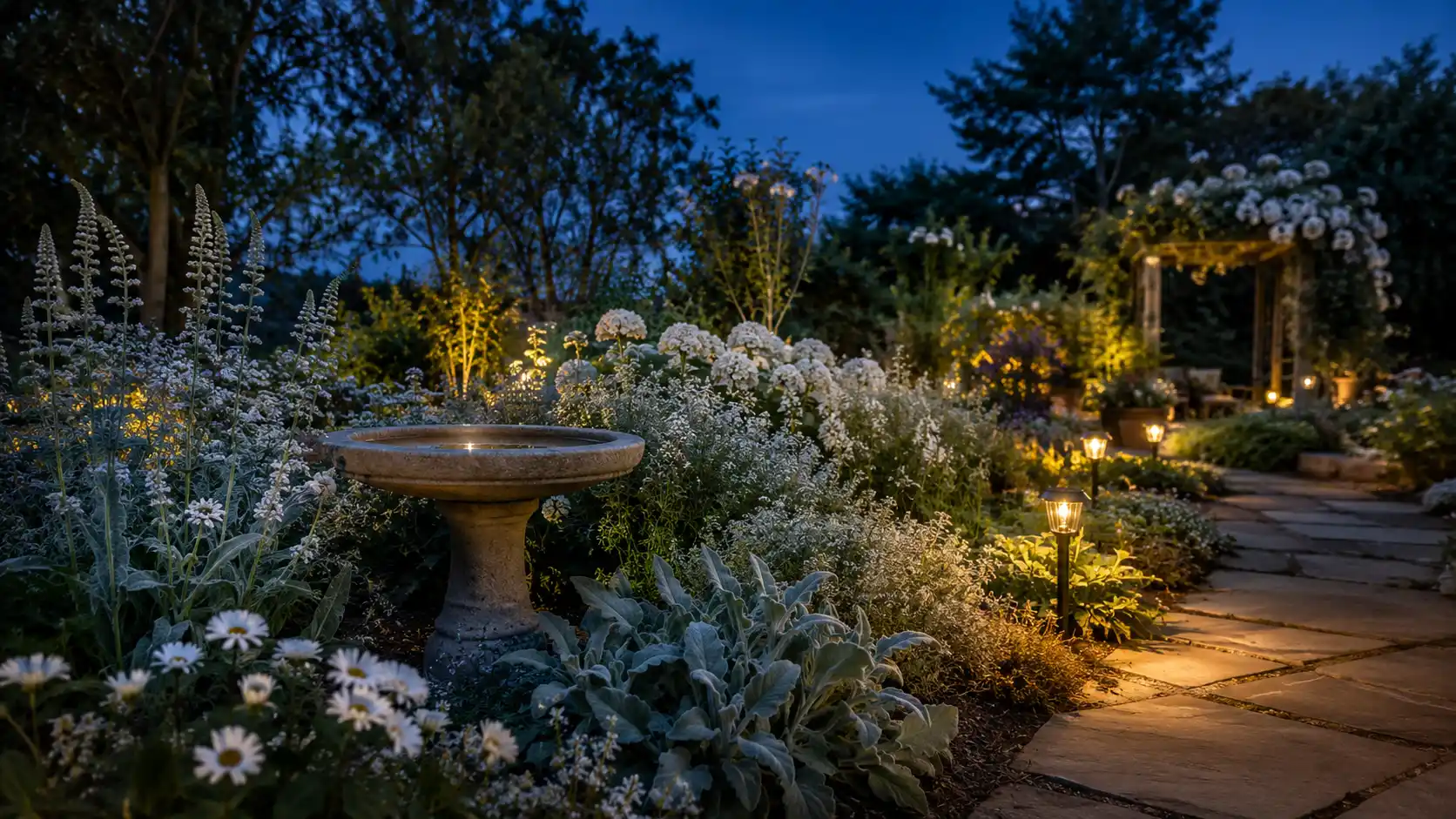
Your backyard probably looks great at two in the afternoon and disappears by nine at night. That’s the moment most gardens quit working, and it’s exactly why moon garden ideas keep showing up in every search you do before bed. The sun goes down, and all that color you planted turns to shadow and silhouette — nothing left to look at from the porch or the patio table.
A moon garden fixes this specific problem. It uses pale flowers, silver leaves, and a few well-placed lights to catch every bit of moonlight and porch light available, so your yard actually glows once the sky goes dark instead of going flat. White and cream blooms reflect light back at you. Silver foliage does the same thing during the day, then keeps working after dusk. Add a birdbath or a scattering of solar lights, and the whole bed picks up a soft shine that regular color gardens can’t manage after dark.
You don’t need to rip out your existing beds to do this. Most of what follows is picking the right plants for a spot you already have, tucking in a few reflective touches, and setting up lighting that works with what’s blooming. Plan on a weekend for the planting, plus a little patience while the plants settle in. Grab a notepad, walk your yard tonight after dark, and let’s find your spot.
What You Need
- 🌱 White or pale flowering plants
- 🌿 Silver or gray-leaved plants
- 🌸 One true night-blooming plant
- 🪞 A reflective element (birdbath, gazing ball, or light gravel)
- 💡 Solar path lights or string lights
- 🧤 Garden gloves
- 🪓 Garden trowel
- 🛍️ Compost or bagged garden soil
- 🪵 Mulch
- 📱 A notepad or your phone, to track sun and shade
At A Glance
- Choose a spot you actually see after dark
- Check how much sun the spot gets
- Start your moon garden ideas with white and pale flowers
- Add plants with silver or gray leaves
- Plant a true night bloomer for scent
- Bring in something reflective or glossy
- Line your beds and paths with soft lighting
- Add a place to sit and enjoy it
Choose A Spot You Actually See After Dark
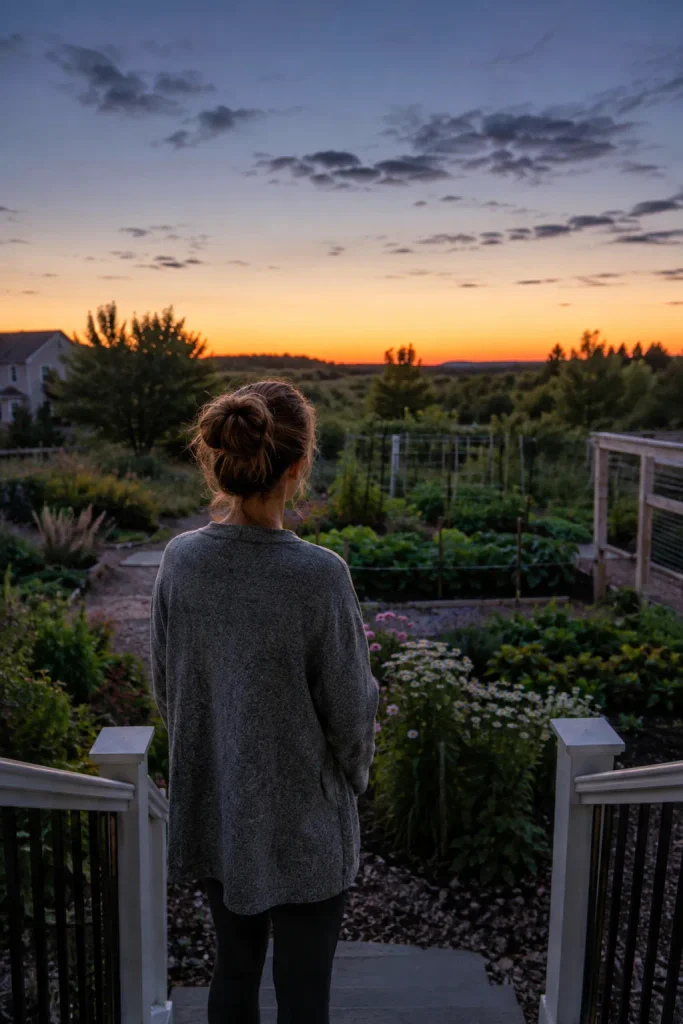
Walk outside tonight after the sun sets and pay attention to where your eyes actually land. Most people default to planting near the mailbox or a back fence line they never glance at once it’s dark. Look instead at the view from your kitchen window, the patio you sit on after dinner, or the path from the driveway to your front door. That’s where the glow needs to be.
Check How Much Sun The Spot Gets
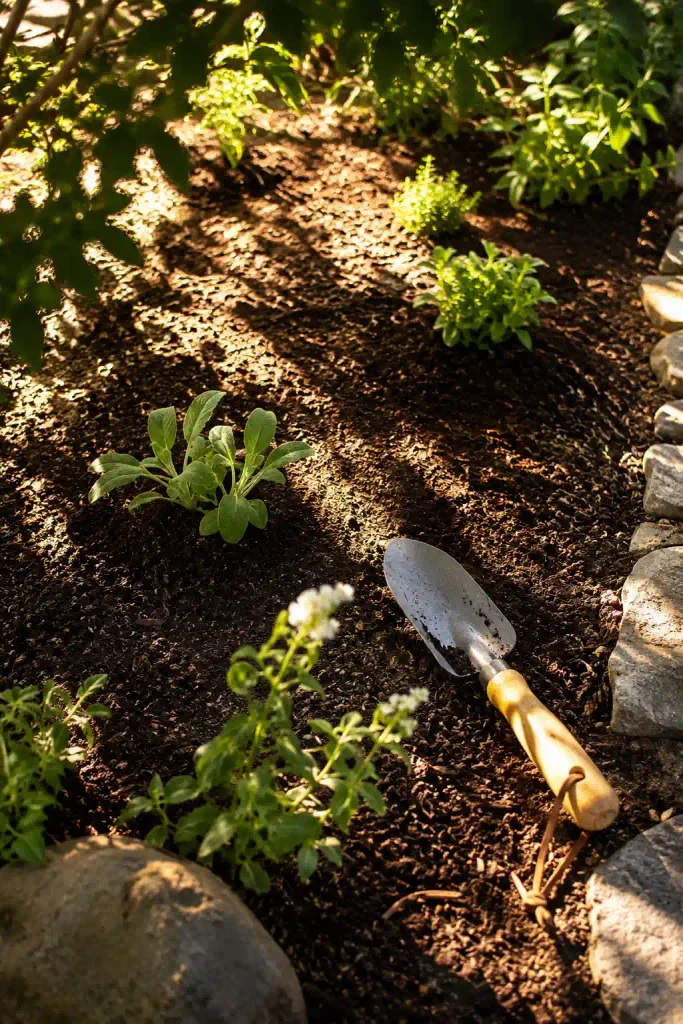
Most moon garden plants need at least six hours of direct sun to bloom well. Track the light for a day: watch when sun hits your chosen spot in the morning, and when shade rolls in during the afternoon. East-facing spots that get gentle morning sun and afternoon shade tend to keep white flowers looking their best all summer.
Start Your Moon Garden Ideas With White And Pale Flowers
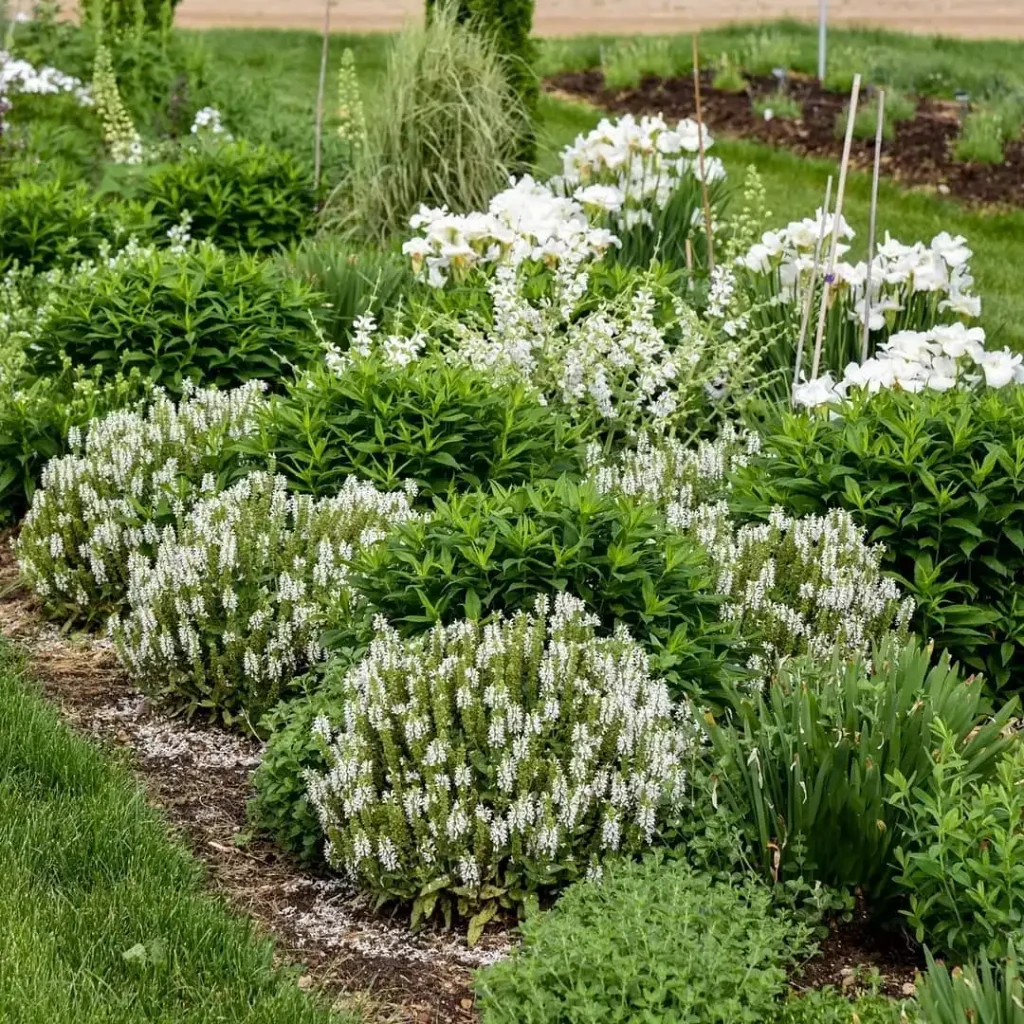
White flowers do the heavy lifting in any moon garden, since pale petals reflect far more available light than deep reds or purples once the sun goes down. Pick three or four of these to anchor your bed:
- White garden phlox
- White coneflower
- White salvia or veronica
- White or pale iris
Space larger perennials 12 to 18 inches apart so they have room to fill out without crowding each other by next summer.
Add Plants With Silver Or Gray Leaves

Once the sun drops, green foliage goes almost black, but silver and gray leaves keep bouncing back whatever light is left — moonlight, porch light, even a neighbor’s security light two yards over. Lamb’s ear, artemisia, dusty miller, and Russian sage all do this well, and most tolerate dry soil better than typical border plants. Tuck them in front of your white blooms so the silver catches light at eye level instead of hiding behind taller stems.
Plant A True Night Bloomer For Scent
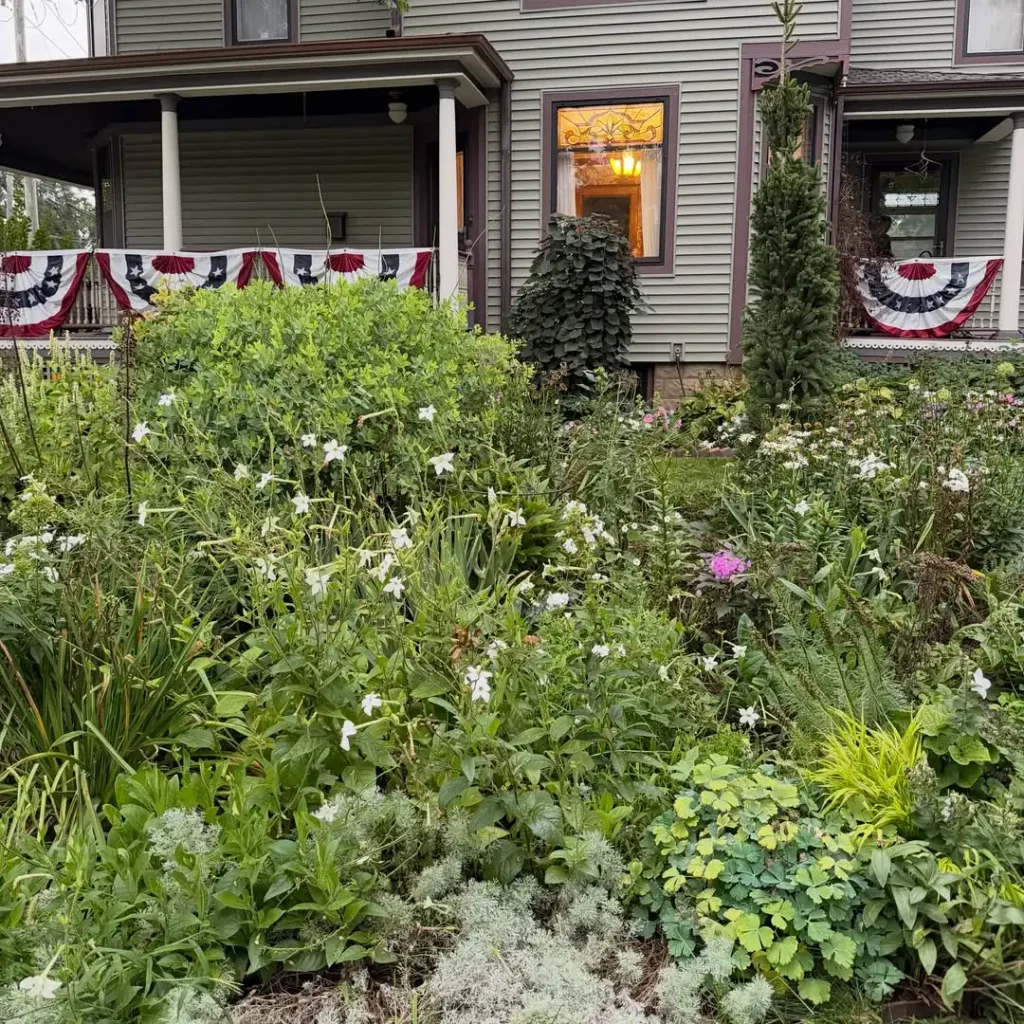
One plant that actually opens after dark changes the whole feel of the space, adding fragrance on top of the visual glow you’ve already built. Flowering tobacco (nicotiana) and evening primrose are reliable, beginner-friendly choices that release scent as temperatures drop in the evening. Plant them near a spot you’ll actually walk past or sit beside — the fragrance doesn’t travel far, so distance from the path wastes the whole effect.
Bring In Something Reflective Or Glossy
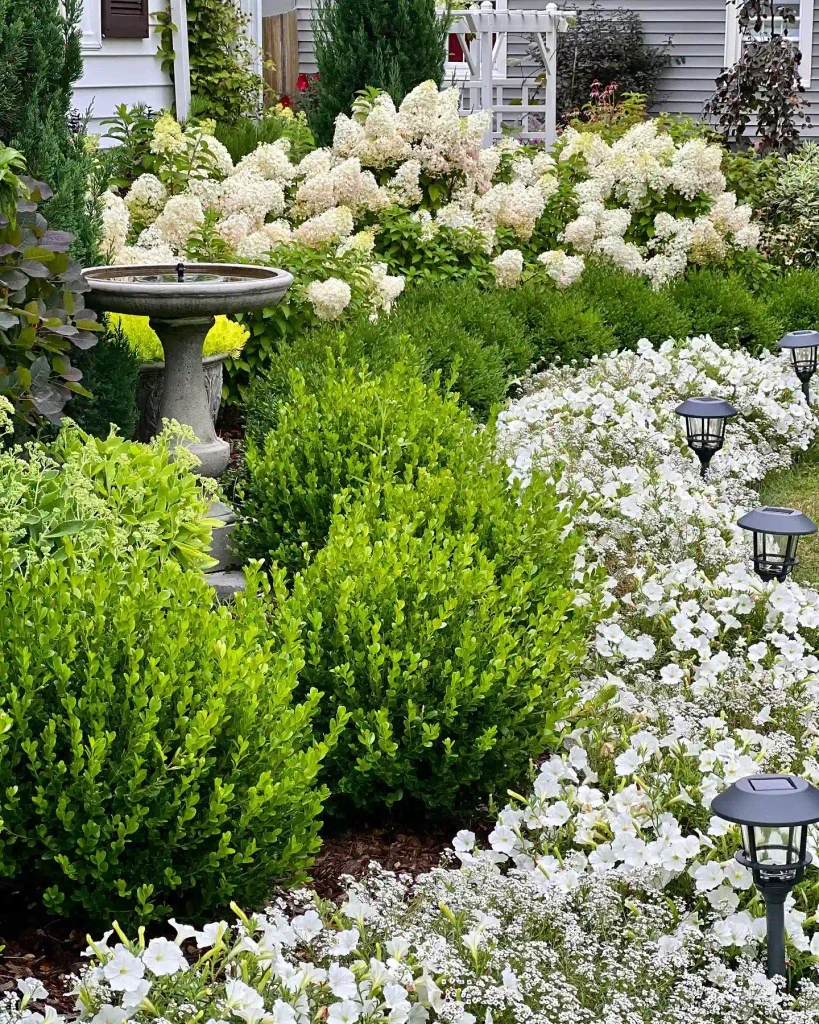
White flowers can only reflect so much light on their own. A birdbath, a gazing ball, or a stretch of pale gravel gives the eye something solid to catch moonlight on, especially on nights with no breeze to move the plants. Even a few large glass beads pressed into the mulch will do the job in a small bed. Set the piece somewhere open sky can reach it — light glances off it far less if it’s tucked under a tree canopy.
Line Your Beds And Paths With Soft Lighting
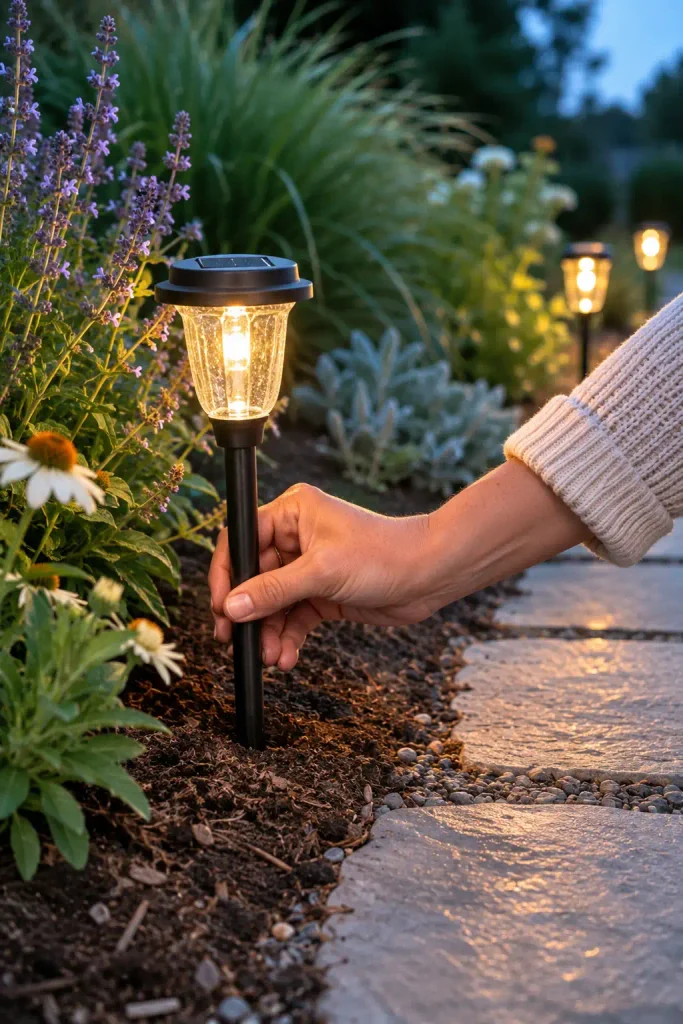
Warm white light (not bright blue-white) works best here — it matches moonlight instead of competing with it. A few options, depending on your budget and how permanent you want this to be:
- Solar stake lights along the path edge
- Low-voltage LED string lights woven through shrubs
- Simple luminaries or paper bag lights for one-off evenings
- A single uplight aimed at a small tree
Space stake lights 18 to 24 inches apart so the path reads as one soft line, not a row of separate dots.
Add A Place To Sit And Enjoy It
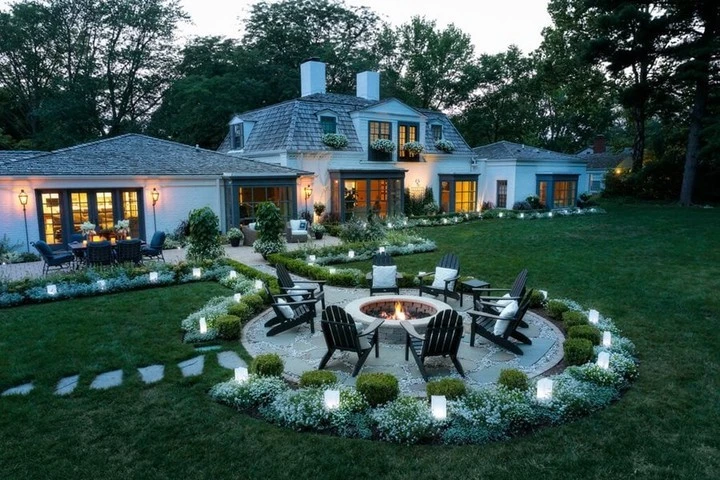
What’s the point of a garden you can’t sit in? A chair, a small bench, or even a blanket spread on the grass gives you a reason to come back out after dinner instead of admiring the bed through a window. Position the seating so it faces the reflective piece and the lighting you just added, not away from it. This is the step people skip, and it’s the one that actually gets the garden used.
Common Mistakes
Planting only white flowers and nothing silver
A bed of all-white blooms still goes dark once the flowers finish for the season. Silver foliage keeps working long after the blooms drop, so skipping it leaves your garden bright for a few weeks and flat the rest of the summer.
Choosing a spot with harsh afternoon sun
Pale petals scorch faster than darker ones. A west-facing bed with no afternoon shade will brown at the edges by midsummer, even with regular watering.
Using bright white or blue-toned lighting
Cool-toned LEDs wash out the soft glow you’re trying to create and make the space feel like a parking lot instead of a garden. Warm white light blends with moonlight; blue-white light fights it.
Planting the night bloomer too far from the seating
Fragrance from nicotiana or evening primrose doesn’t carry more than a few feet on a still night. Plant it near the fence line and you’ll never smell it from the patio.
Skipping the reflective element
Flowers alone can only reflect so much. A garden with no birdbath, gazing ball, or light gravel tends to look dim and unfinished at night, even with a good plant selection.
FAQ
Do moon gardens only work at night?
No. White and pale flowers with silver foliage look clean and bright during the day too, so the bed still earns its space in daylight hours.
Can I add a moon garden to an existing flower bed?
Yes. Tuck white and silver plants into gaps in a bed you already have instead of starting a new one from scratch. A partial moon garden still catches light after dark.
How much sun do moon garden plants need?
Most of the plants in this guide want at least six hours of sun a day. Deep, all-day shade will leave blooms sparse no matter how pale the flower is.
Are moon garden plants safe around pets?
Most listed here are fine, but always check the plant tag before buying, since some plants sold under a “moonflower” name are toxic. When in doubt, ask your local nursery.
Do solar lights work well enough for this?
Yes, as long as the panel gets direct sun during the day. Placed correctly, solar stake lights hold a soft glow for several hours after dark without any wiring.
Quick Reference Card: Moon Garden Ideas
What You Need
- 🌱 White or pale flowers
- 🌿 Silver or gray foliage
- 🌸 One night bloomer
- 🪞 Reflective element
- 💡 Solar or string lights
- 🧤 Gloves, trowel, compost, mulch
Steps
- Choose a spot you see after dark
- Check the sun exposure
- Plant white and pale flowers
- Add silver or gray foliage
- Plant a true night bloomer
- Add something reflective
- Line beds with soft lighting
- Add a place to sit
Conclusion
You’ve got a real plan now, not just a scroll full of pretty photos. Pick your spot, get the plants in the ground, and let a few weeks of growth do the rest. The lighting and the seating pull it all together once everything fills in. That’s the whole shift — from a yard that goes dark at sunset to one that quietly glows once the porch light comes on. These moon garden ideas work with the space you’ve already got, so there’s no reason to wait for a bigger project to start. Save this pin so you’ve got it on hand when you’re ready to dig in this weekend.