Seasonal Garden Ideas: What to Plant and Do, Month by Month
Timing is most of gardening. Bulbs go in six months before they flower, biennials a full year ahead, and Christmas planters need buying while it’s still mild. Below: what to plant and do in each season, holiday decorating with the dates that matter, and a month-by-month record of what’s actually in flower.
Why Seasonal Timing Matters
• Seeds sown at the right time yield 3–5x more than the same seeds sown 4 weeks off (RHS).
• Spring bulbs need 50–60 days of cold before flowering — this can’t be rushed.
• Christmas decor searches peak 60 days before Christmas (mid-October).
• Pinterest seasonal saves jump 10x, 40–45 days before major holidays.
• Seasonal-calendar gardeners report 40% better yields and 60% better plant survival.
What to Plant, Season by Season
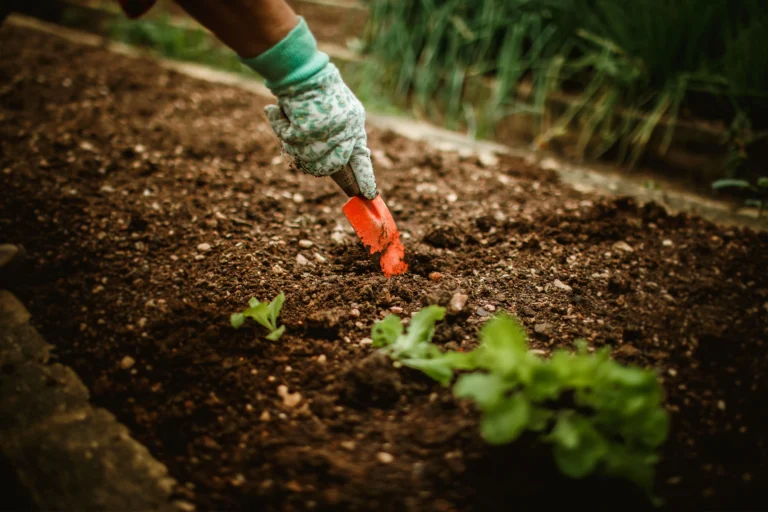
🌷 Spring (Mar–May)
Sow sweet peas, cosmos and zinnias. Start dahlia tubers in pots. Feed roses in early April. Mulch borders before the soil dries — 5–7cm of compost now saves hours of watering in July. Get supports in before plants need them; staking a collapsed delphinium never really works.
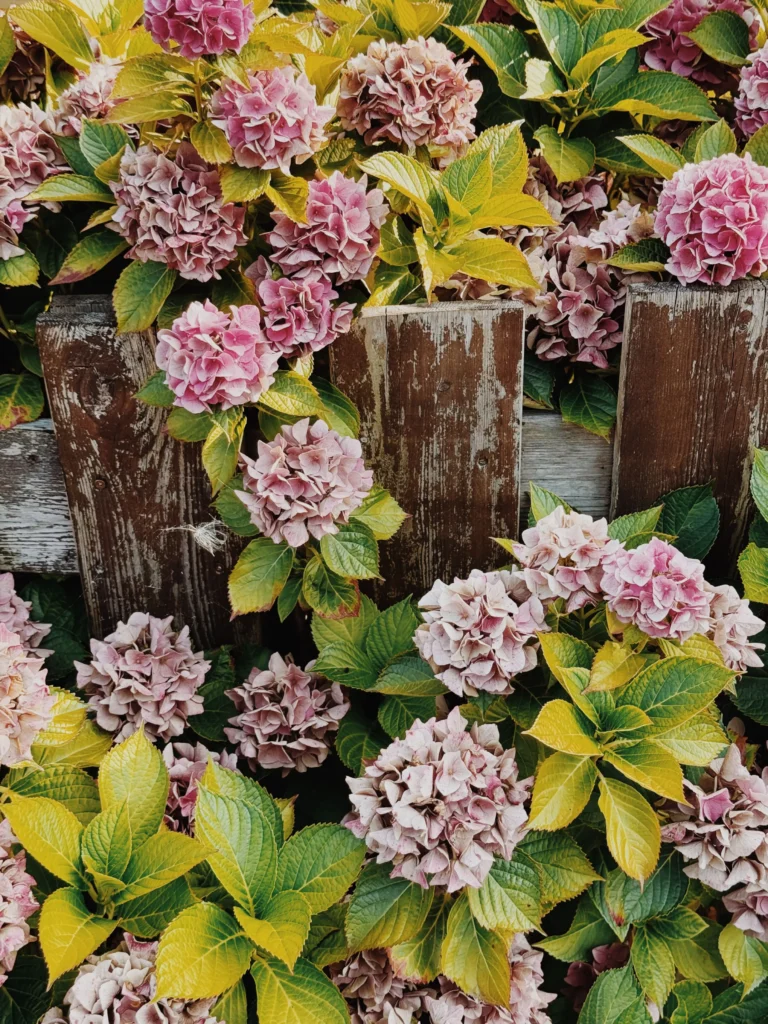
☀️ Summer (Jun–Aug)
Sow foxgloves and wallflowers now for next year. Deadhead roses and dahlias weekly — the plant is trying to set seed, and removing spent flowers forces it to keep going. Feed containers fortnightly. Water deeply twice a week rather than lightly every day.
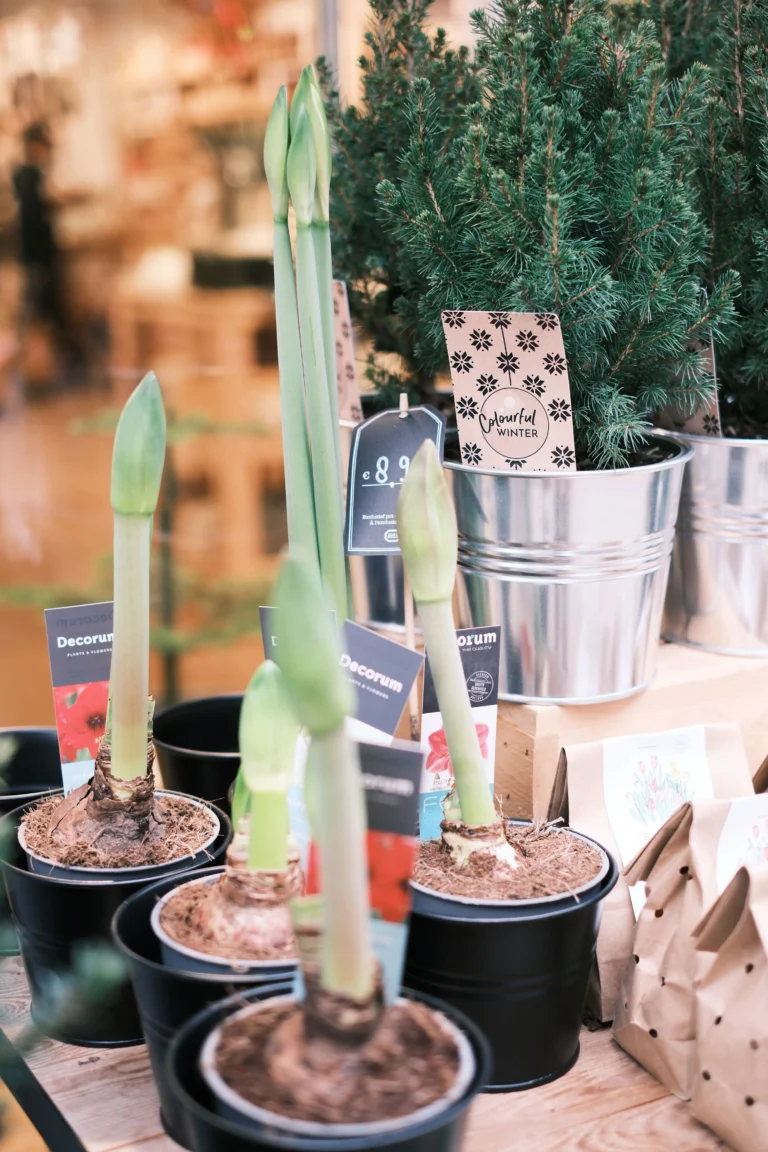
🍂 Autumn (Sep–Nov)
The season that decides next year. Daffodils and alliums in September, tulips in October — tulips go last because they rot in warm soil. Lift dahlia tubers after the first frost. Plant bare-root roses and shrubs; they establish faster and cost far less than potted.
❄️ Winter (Dec–Feb)
Leave the seed heads. Echinacea, rudbeckia and grasses feed birds and hold their shape under frost. Sow sweet peas indoors in January. Prune wisteria. Check stored dahlia tubers for rot. Order seed while there’s still choice.
🎄 Christmas & Holiday Garden Decor
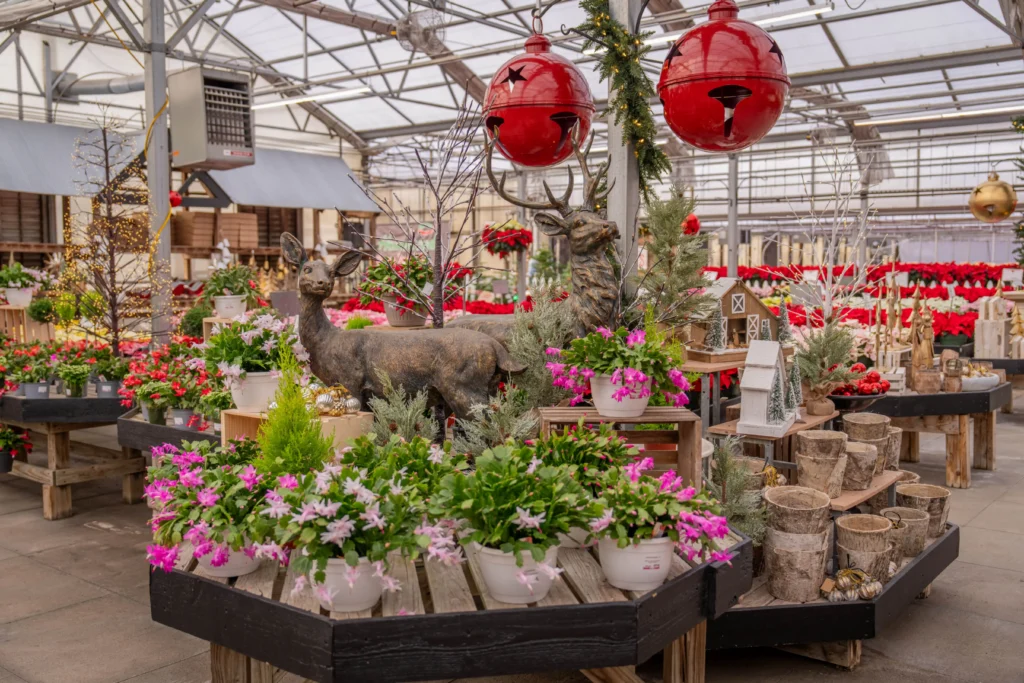
Outdoor Christmas decorating peaks in search around mid-October, roughly sixty days before the day itself. Anything you want found needs to be published by 25 October and pinned by 10 November.
Door planters work on the same logic as summer pots. Something upright for height (a small spruce, or red dogwood stems), something to fill (winter heather, skimmia with berries), and something to spill over the edge (trailing ivy, moss). It holds from December through to March.
Wreaths from your own garden beat anything bought. Eucalyptus, holly, ivy, pine, rosemary, and a few rose hips on a wire frame takes an hour and smells better than plastic ever will.
Solar lights changed outdoor Christmas decorating. No trailing extension leads across a wet lawn, nothing added to the electricity bill, and bright enough for a front garden.
A lit archway over the path is the cheapest bit of drama available. One arch, one set of warm-white lights, and the approach to the door does all the work.
Halloween and Autumn Garden Decor
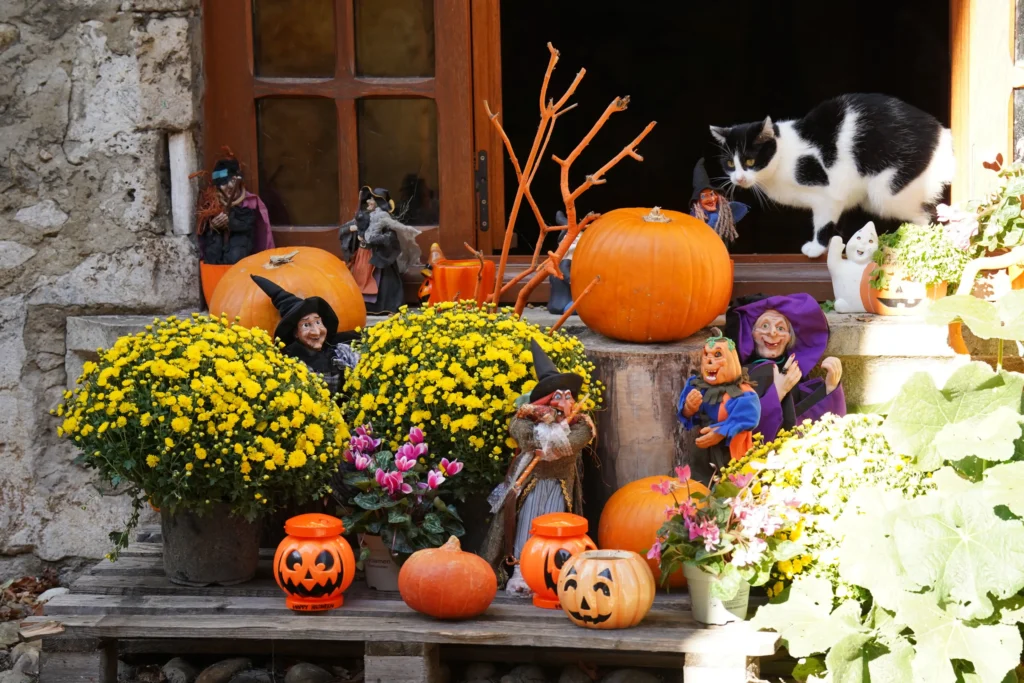
Autumn decorating starts earlier than people think. Search interest for porch and pumpkin displays climbs from late August, which means anything you want seen needs to be live by the first of September.
Layer the porch rather than lining it up. Three pumpkins of different sizes and colours grouped at one side beats six in a row across the step. Add a couple of dried corn stalks or a bale and the whole thing reads as considered.
Use what the garden already gives you. Hydrangea heads dried on the stem, rose hips, ornamental grass plumes, and seed heads from echinacea and rudbeckia all hold their shape for weeks and cost nothing.
Plant for it in spring. Ornamental gourds and small pumpkins sown in May give you a free display in October. Two plants is plenty for a front step.
Keep real pumpkins off wet ground. A slate, a tile, or a wooden board underneath adds a fortnight to how long they last before they go soft.
What Flowers in Each Month
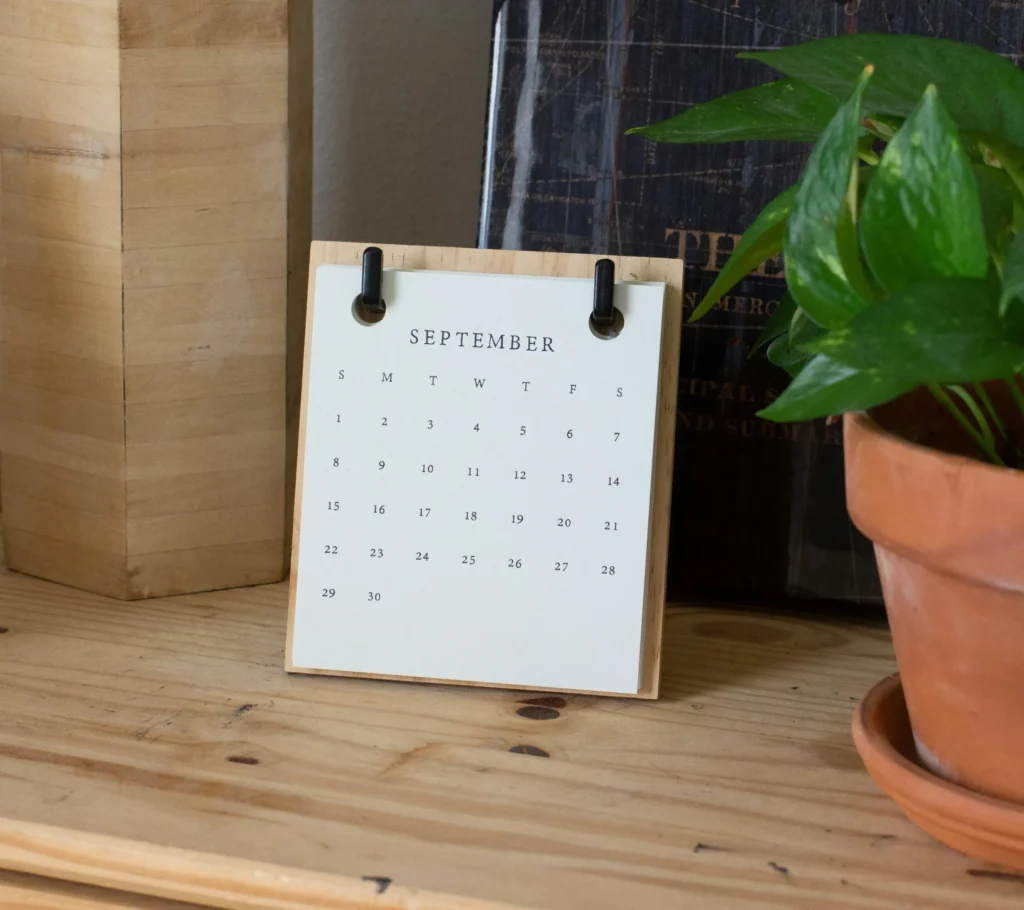
Times below suit UK gardens and USDA zone 6. Warmer zones run two to three weeks ahead, colder ones the same behind.
January — Snowdrops, hellebores, winter jasmine, early crocus
February — Snowdrops at their peak, hellebores, Iris reticulata, crocus
March — Daffodils, crocus, hyacinths, cherry blossom, pulmonaria
April — Tulips, early alliums, aquilegia, bluebells, forget-me-nots
May — Alliums at their peak, peonies, foxgloves, first flush of roses, wisteria
June — Roses, lavender starting, delphiniums, sweet peas, salvia
July — Dahlias begin, echinacea, rudbeckia, crocosmia, Verbena bonariensis
August — Dahlias at their peak, agapanthus, late lavender, first sedum
September — Sedum, asters, Japanese anemone, rudbeckia, dahlias continuing
October — Asters, cyclamen, nerines, rose hips, grass seed heads
November — Cyclamen, schizostylis, early witch hazel, mahonia
December — Hellebores, winter jasmine, Cyclamen coum, holly berries